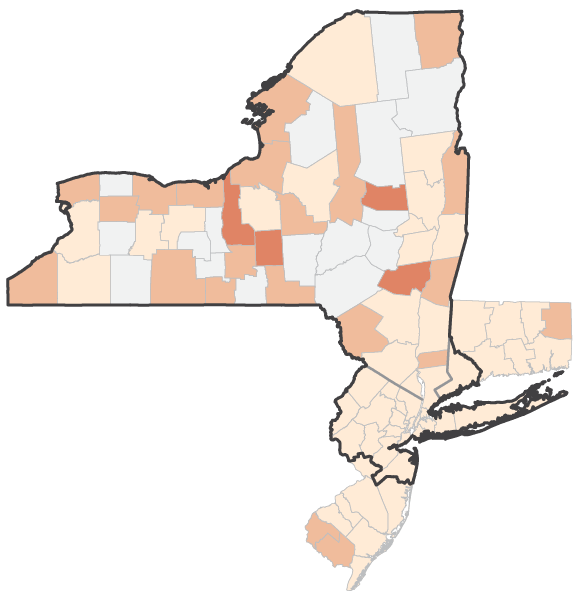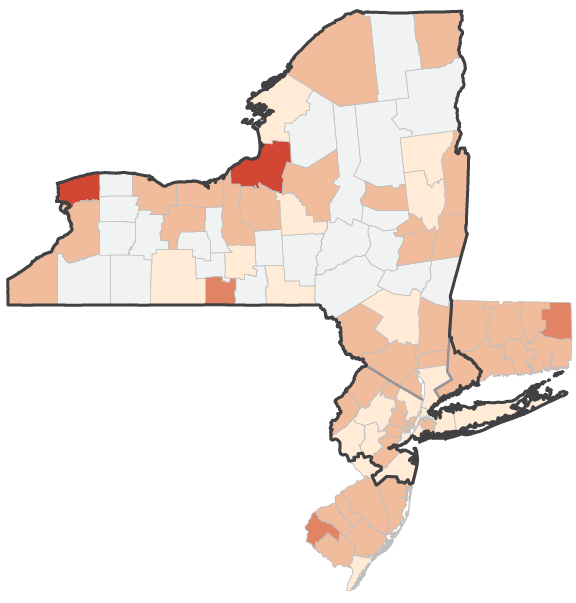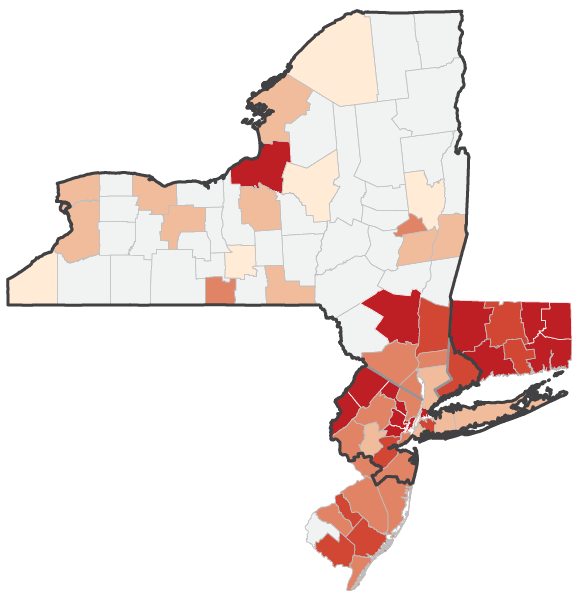









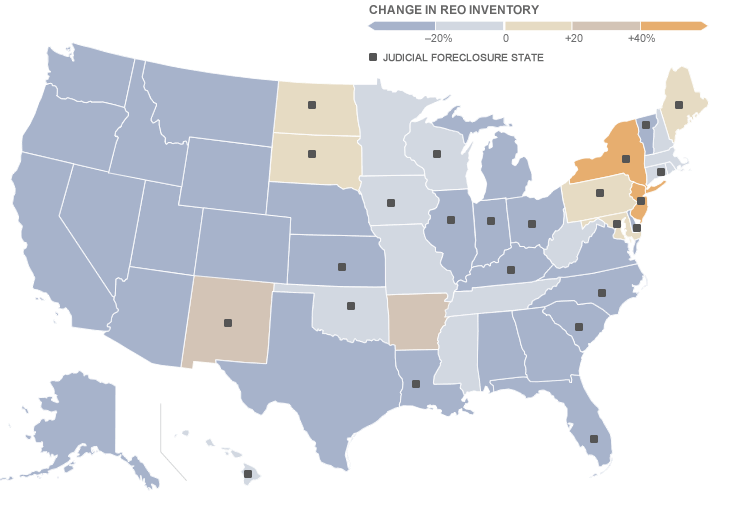
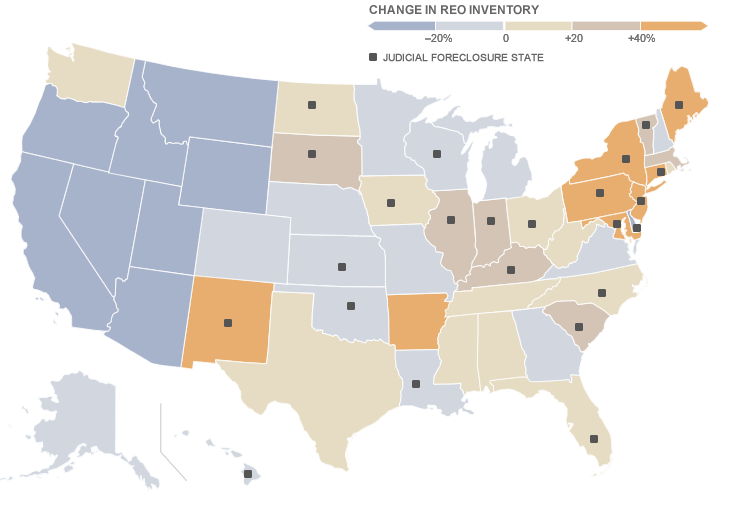
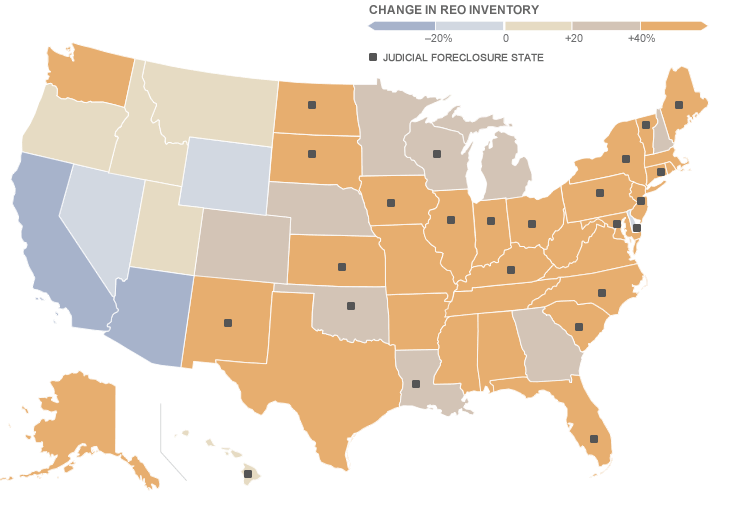
Average Days Seriously Delinquent and in Foreclosure When Property Becomes REO
Nationally, the average
number of days a mortgage loan remains in serious
delinquency has increased dramatically as the housing
crisis has unfolded. This means that for many properties,
the foreclosure process has not been resolved. At some
point in the future many of these loans will likely
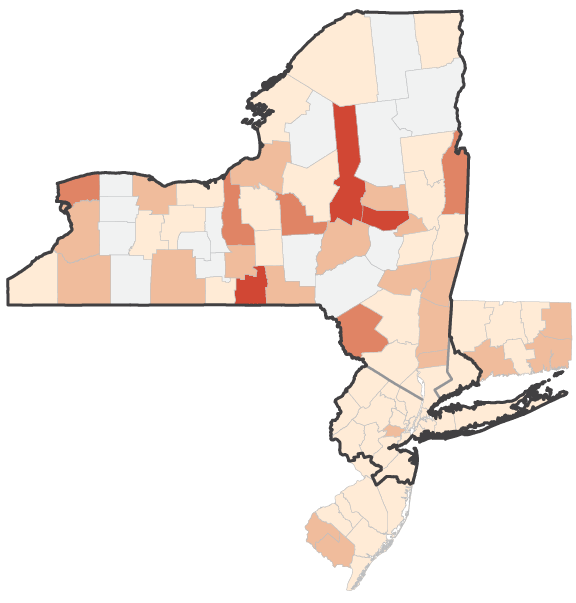
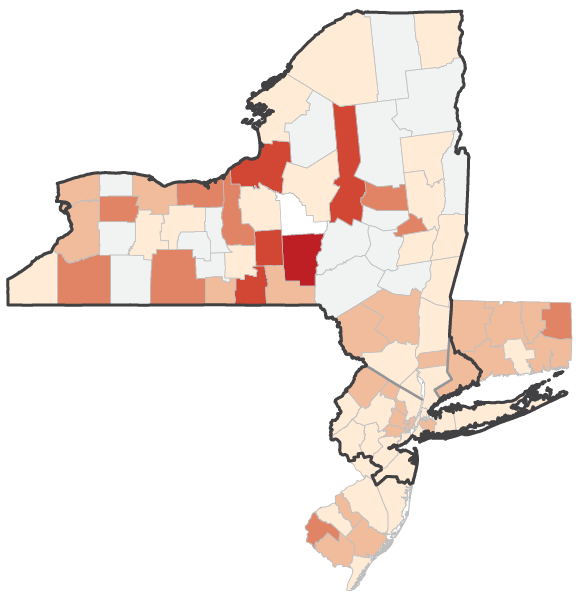
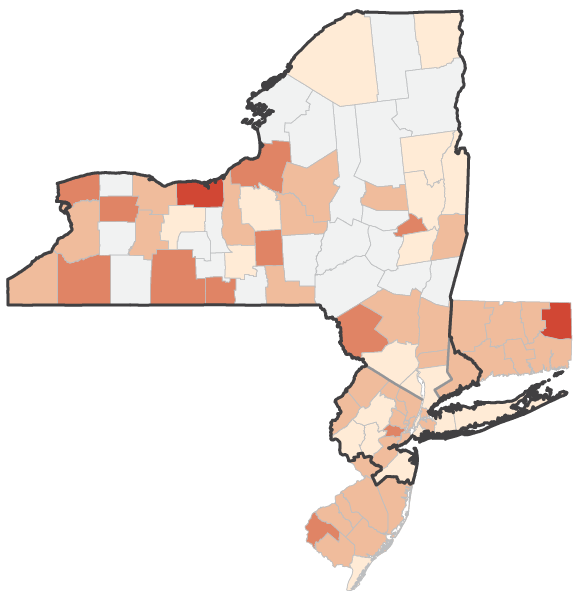
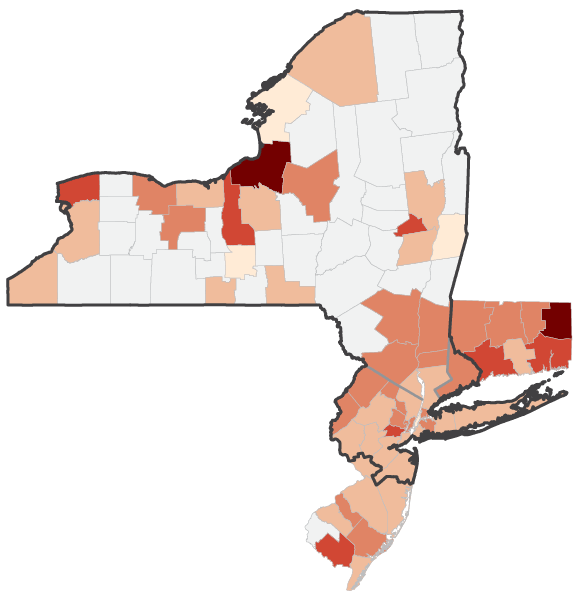
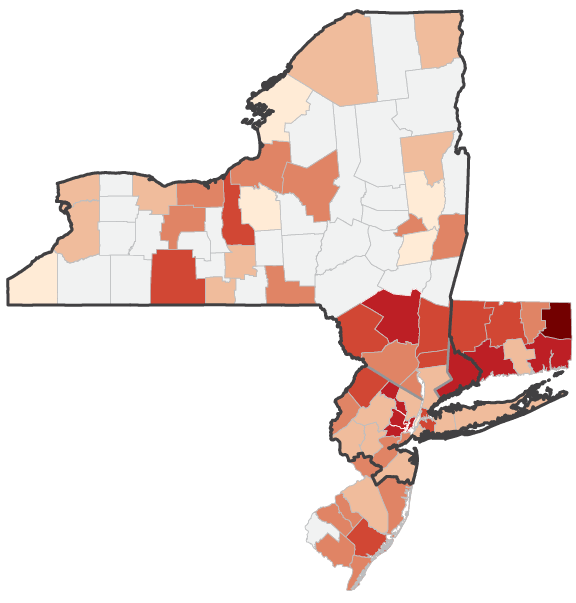
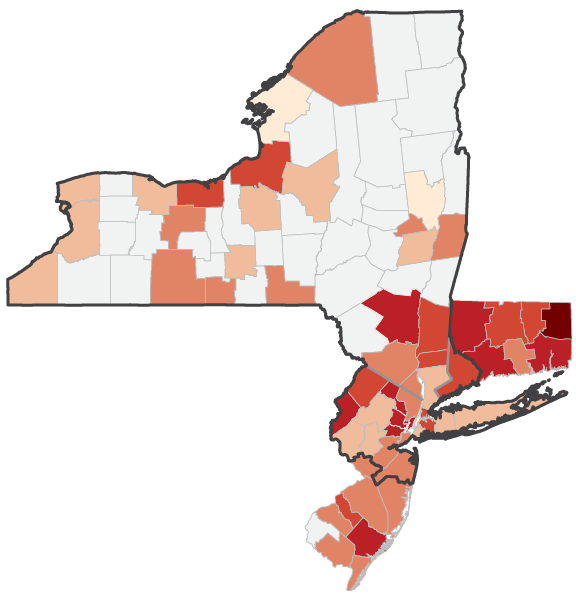
transition to REO and be offered for sale. Shown here are
three possible scenarios for what could happen: First, if
the recent trend for the length of time in serious
delinquency continues through the end of 2013; second, if
the trend stabilizes near mid-2012 levels; and third, if
the overall trend is a decline toward pre-crisis levels.
Gray shading indicates an NBER recession.
Source: Federal Reserve Bank of New York analysis based on data from CoreLogic.
Source: Federal Reserve Bank of New York analysis based on data from CoreLogic.
Average days seriously delinquent and in foreclosure when property becomes REO
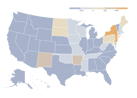
REO inventory if average days continues recent trends
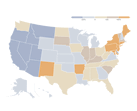
REO inventory if average days stabilizes
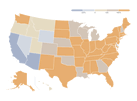
REO inventory if average days declines