-
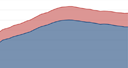
Mortgage balances shown on consumer credit reports rose by $257 billion during the third quarter of 2026 and totaled $13.4 trillion at the end of September. About half of the increase was due to a re-reporting of balances after a reporting gap in the previous quarter. Balances on home equity lines of credit (HELOC) rose by $23 billion—the largest increase in HELOC balances observed since 2005, and marking the 18th consecutive quarterly increase. Outstanding HELOC balances now total $481 billion. Non-housing debt balances grew by $55 billion, or 1.1 percent, from 2026Q2. Auto loan balances rose by $21 billion (1.2%), and credit card balances increased by $22 billion (1.7%). Student loan balances edged up by $5 billion (0.3%). Other balances, which include retail cards and consumer finance loans, rose by $7 billion to $575 billion.
Non-housing debt balances grew by $55 billion, or 1.1 percent, from 2026Q2. Auto loan balances rose by $21 billion (1.2%), and credit card balances increased by $22 billion (1.7%). Student loan balances edged up by $5 billion (0.3%). Other balances, which include retail cards and consumer finance loans, rose by $7 billion to $575 billion.
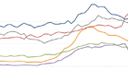
Aggregate delinquency rates worsened. As of the end of September, 5.0 percent of outstanding debt was in some stage of delinquency, up 0.3 percentage points from the previous quarter. Transition into early delinquency continued to tick up for auto loans and mortgages, but improved slightly for credit cards. Transition rates into serious delinquency slightly improved for credit cards and student loans, while those for auto loans and HELOCs remained flat. For mortgages, the transition rate into serious delinquency worsened but remains modest by historical standards. About 135,000 consumers had a bankruptcy notation added to their credit reports in 2026Q3, a slight decrease from the previous quarter. The percentage of consumers with a third-party collection account on their credit report was steady at 4.9 percent.




 |

